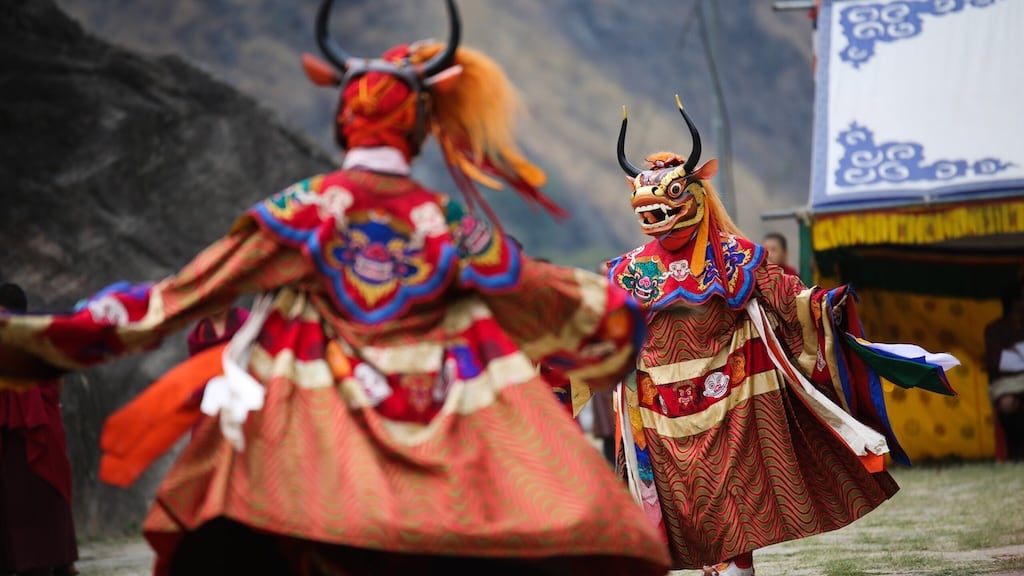
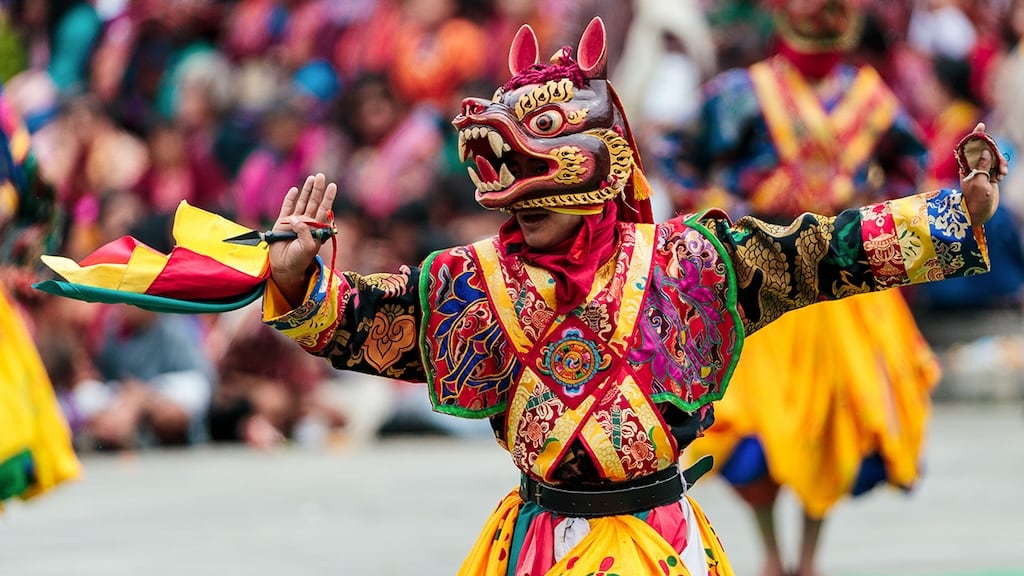
Bhutan's most iconic religious festival, Thimphu Tshechu, features vibrant masked dances believed to bestow blessings and ward off evil. ✨🎉
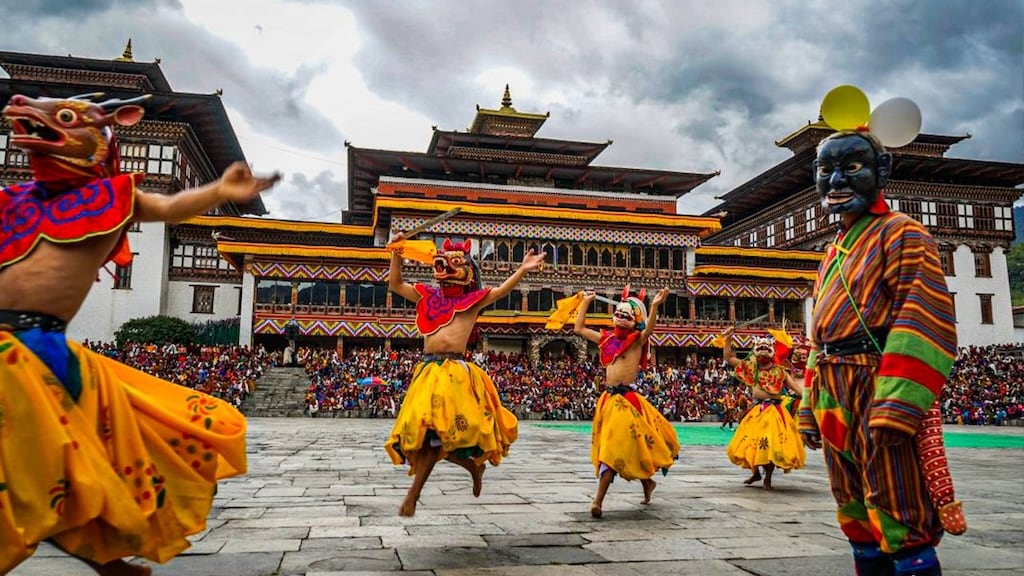
Thousands of Bhutanese people and international visitors, including monks and lay dancers.
Thimphu Tshechu Festival: Bhutan's Sacred Spectacle of Dance and Devotion
The Thimphu Tshechu is arguably Bhutan's most celebrated and iconic religious festival, held annually in the capital city of Thimphu. This vibrant three-day event, typically falling in late September or early October according to the Bhutanese lunar calendar, is a profound expression of the country's rich Buddhist heritage and deeply rooted traditions.
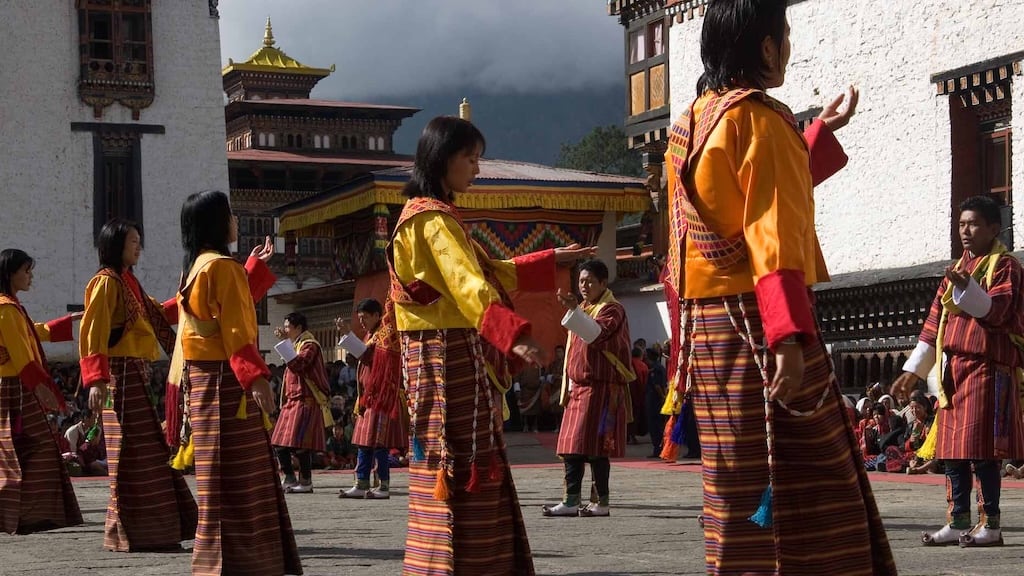
Dedicated to Guru Rinpoche (Padmasambhava), who introduced Tantric Buddhism to Bhutan in the 8th century, the Tshechu is a series of spectacular masked dances (Cham dances) performed by monks and laymen in the courtyard of the majestic Tashichho Dzong. It's a time when thousands of Bhutanese, dressed in their finest traditional attire, gather to receive blessings, socialize, and immerse themselves in the spiritual and cultural heart of the Dragon Kingdom.
Historical Roots and Spiritual Significance
The origins of the Thimphu Tshechu date back to 1670, initiated by Gyalse Tenzin Rabgye, the fourth Desi (temporal ruler) of Bhutan. Its primary purpose was, and remains, to provide spiritual enlightenment through the performances of religious dances, which are believed to ward off evil spirits and purify sins. Each dance has its own spiritual significance and often tells a story or re-enacts events from the life of Guru Rinpoche and other revered Buddhist saints.
Attending a Tshechu is considered a meritorious act, bringing good fortune and cleansing one's sins. The term "Tshechu" itself means "tenth day," as these festivals traditionally occur on the tenth day of a lunar month. In the 1950s, the third King of Bhutan, Jigme Dorji Wangchuck, further enhanced the festival by introducing several mask dances performed by monks, ensuring its continued vibrancy and importance.
The Power of Cham Dances
The highlight of the Thimphu Tshechu is the Cham dances, which are not mere entertainment but sacred religious performances. Monks and specially trained laymen don elaborate, colorful silk costumes and intricately carved wooden masks, transforming into deities, demons, and animals. Each dance is meticulously choreographed and accompanied by traditional Bhutanese music, featuring cymbals, drums, gongs, and horns.
Key dances include:
- Shaw Shachi (Dance of the Stags): Performed by monks, this dance purifies the ground and symbolizes the defeat of evil.
- Pacham (Dance of the Heroes): A vigorous dance performed by laymen representing the male and female heroes who guide sentient beings to liberation.
- Guru Tshengye (Eight Manifestations of Guru Rinpoche): Depicts the eight forms assumed by Guru Rinpoche to subdue evil.
- Dranyen Cham (Dance of the Guitar): A unique dance accompanied by the Bhutanese lute, the dranyen.
These performances are believed to transmit blessings (wang), allowing spectators to witness glimpses of spiritual realms and receive protection.
A Grand Social and Cultural Gathering
Beyond its deep religious significance, the Thimphu Tshechu is a vibrant social event. It offers a rare opportunity for Bhutanese people, many traveling from remote villages, to gather, share news, and strengthen community bonds. Families and friends come together, dressed in their finest traditional gho (for men) and kira (for women), creating a stunning tapestry of colors.
The atmosphere is festive, with laughter, conversation, and the sharing of traditional foods. Many pilgrims attend purely for the blessings, while others enjoy the festive market stalls and social interactions surrounding the main dances. On the final day, the sacred Thongdrol (a large thangka tapestry) of Guru Rinpoche is unveiled at dawn, a powerful sight believed to liberate those who witness it.
What to Expect as a Visitor
For international visitors, the Thimphu Tshechu offers an unparalleled window into Bhutanese culture and spirituality. Expect large crowds, especially at Tashichho Dzong, so arriving early is advisable to secure a good viewing spot. The festival typically takes place outdoors, so dressing in layers and being prepared for varying weather conditions is wise. While photography is generally permitted, it's essential to be respectful and avoid disrupting the sanctity of the performances.
Accommodation in Thimphu should be booked well in advance, as the city fills up during the festival period. Visiting during Tshechu is an enriching experience, but it's important to understand and respect the religious nature of the event.
Conclusion
The Thimphu Tshechu Festival is a mesmerizing blend of ancient ritual, vibrant artistry, and profound spiritual devotion. It stands as a living testament to Bhutan's enduring cultural identity and its unwavering commitment to preserving its unique heritage.
For those fortunate enough to witness it, the Tshechu is an unforgettable journey into the heart of a nation where spirituality and daily life are inextricably intertwined, offering blessings, cultural immersion, and a spectacle unlike any other. For more information on visiting Bhutan and its festivals, the official Tourism Council of Bhutan website provides comprehensive details. Visit Bhutan